Case studies

Three short stories illustrating how we apply physics-informed simulation and machine learning to accelerate molecular design. Each example highlights the question, the modeling strategy, and the type of outcome enabled.

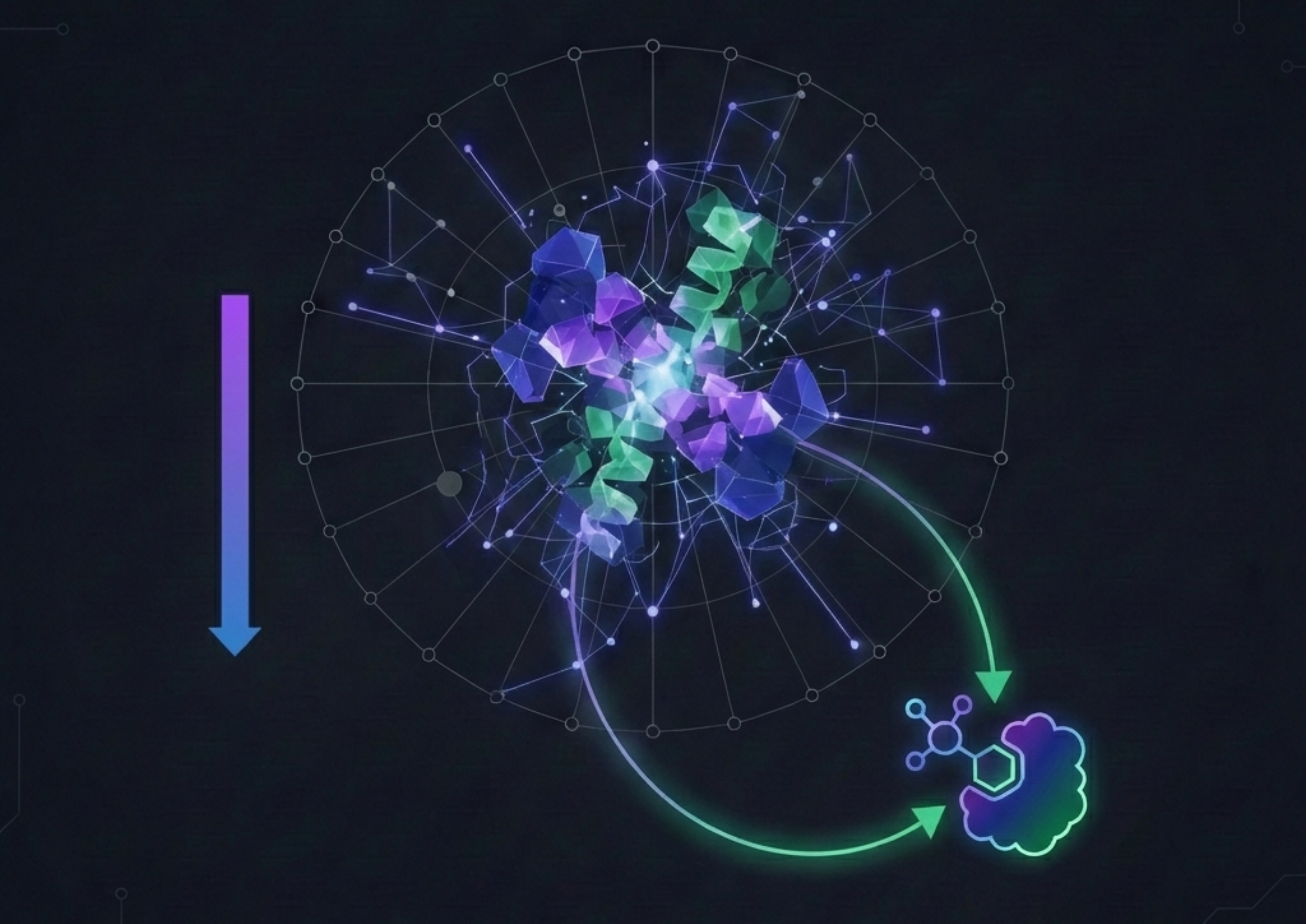
Case Study 01 visual
Case Study 01

Protein Redesign for Function in Harsh Environments

Goal: enhance ligand affinity at low pH using structure-guided redesign.

Challenge

Many industrial and biological settings operate under acidic conditions where protein–ligand interactions can weaken. The key difficulty is that small pH-driven changes in protonation and electrostatics can strongly alter binding.

Approach

  • Started from structural/biophysical understanding of the binding interface.
  • Used structure-guided redesign to propose targeted modifications around the binding site.
  • Evaluated candidate variants under low-pH conditions to prioritize changes that improve affinity while preserving fold stability.

Outcome

In cooperation with scientific partners, we successfully modified a carbohydrate-binding protein to enhance ligand affinity at low pH, demonstrating the power of structure-guided redesign in extreme conditions.
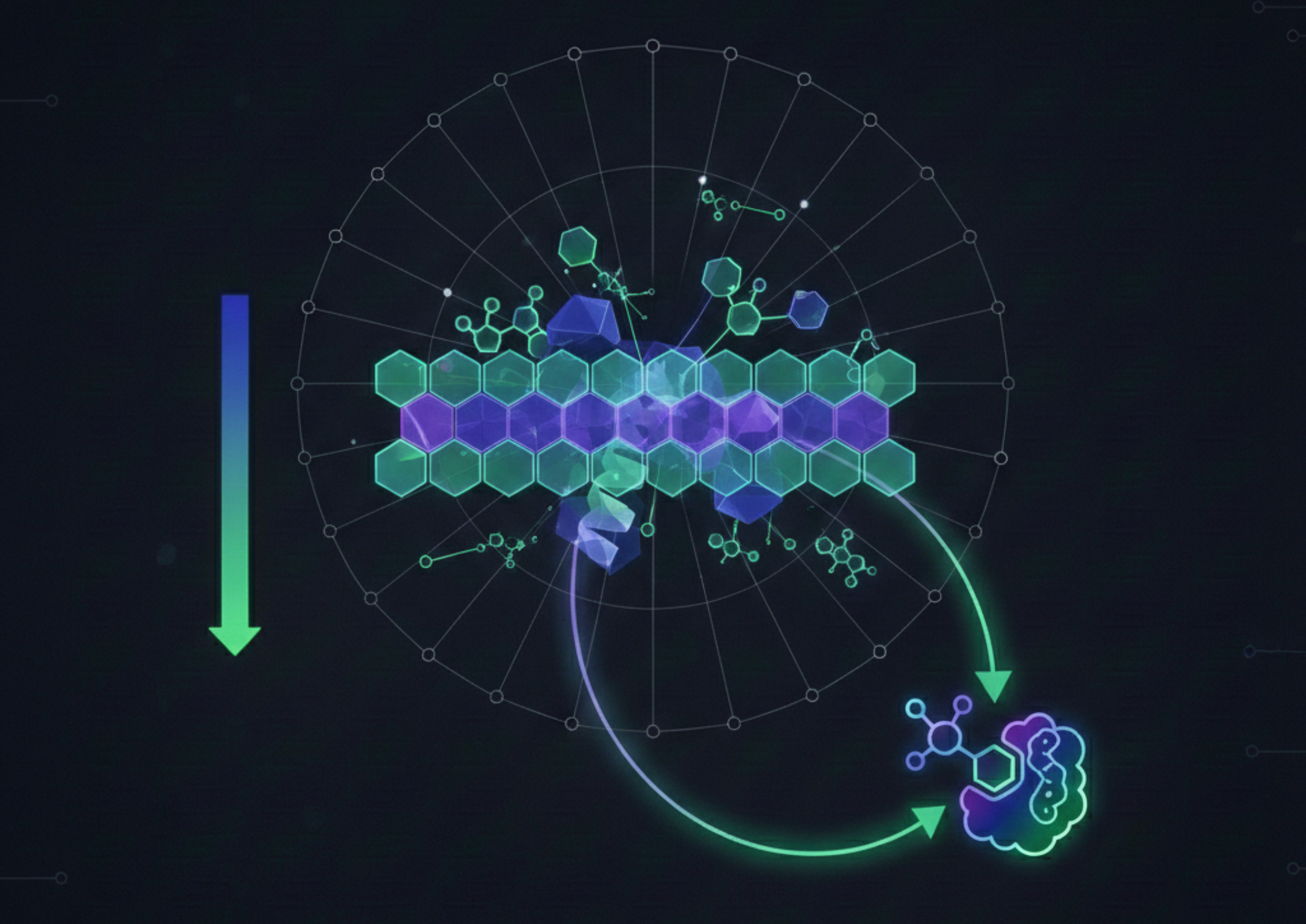
Case Study 02 visual
Case Study 02

Drug Permeability Across Membranes

Goal: characterize drug–bilayer interactions to inform permeability and bioavailability optimization.

Challenge

Membrane permeability is influenced by transient interactions with lipid headgroups, tail packing, and hydration layers. These effects can be hard to infer from bulk descriptors alone.

Approach

  • Ran molecular simulations of small-molecule drugs interacting with lipid bilayers.
  • Analyzed preferred binding sites, partitioning behavior, and interaction patterns along the membrane normal.
  • Connected the resulting mechanistic picture to design hypotheses for improved bioavailability and reduced side effects.

Outcome

Our simulations helped characterize drug–membrane interactions, supporting the design of compounds with optimized bioavailability and reduced side effects.

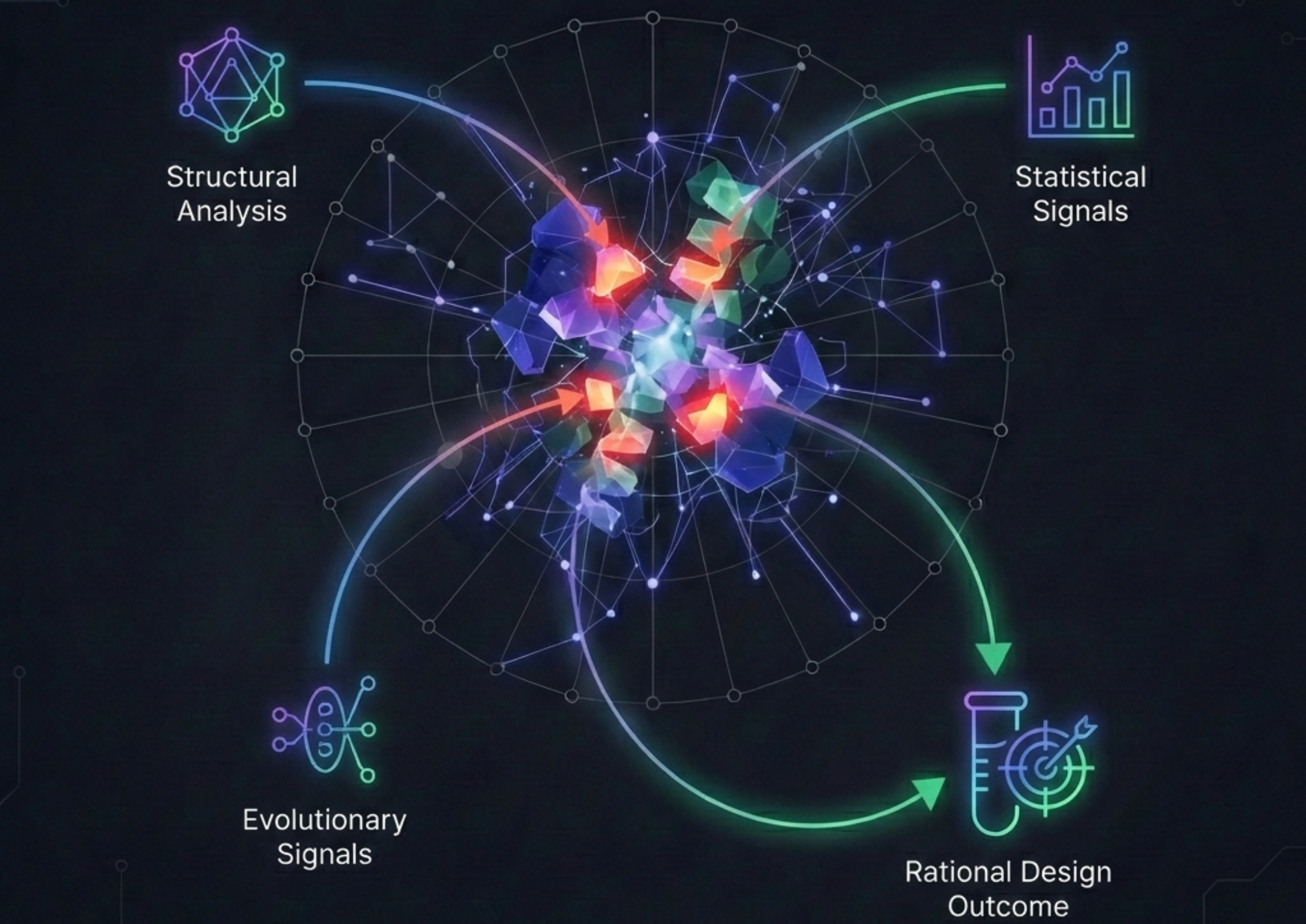
Case Study 03 visual
Case Study 03

Data Science for Rational Protein Engineering

Goal: prioritize mutation sites for functional enhancement with data-driven evidence.

Challenge

In protein engineering, the combinatorial space of mutations is enormous. Efficient campaigns rely on choosing a small set of residues with the highest potential impact, based on multiple sources of evidence.

Approach

  • Developed computational techniques to identify key protein sites with high potential for functional enhancement.
  • Combined structural analysis with statistical and evolutionary signals.
  • Enabled data-driven prioritization of residues to make experimental iteration cycles more targeted.

Outcome

The resulting workflow supports rational design by focusing experimental resources on the most promising mutations.